



Not sure where to start?

Get a free audit: what is working, what is not, and how we would scale it.

Get a free audit
A hand in shadow holds a smartphone showing a map of New York in front of out-of-focus red, green and white street lights at night.

Services · Build

Mobile app development agency in Dubai that starts by asking if you need an app

Some businesses need an app. Many need a faster website and a WhatsApp button. We tell you which, and if an app is the right answer we build it for iOS and Android, with the back end, notifications, store launch and maintenance that keep it working after release.

  • Reply within one business day
  • 500+businesses served
  • 7+years in digital marketing
  • Office in Bur Dubai, Dubai
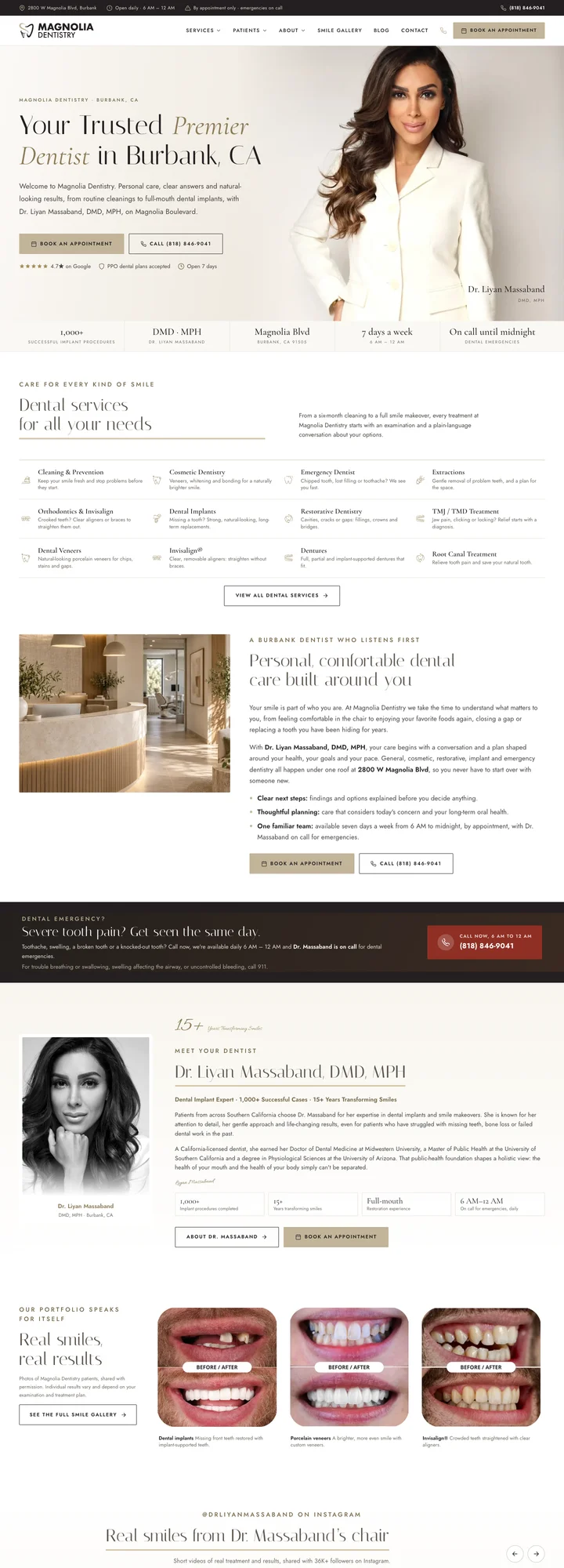
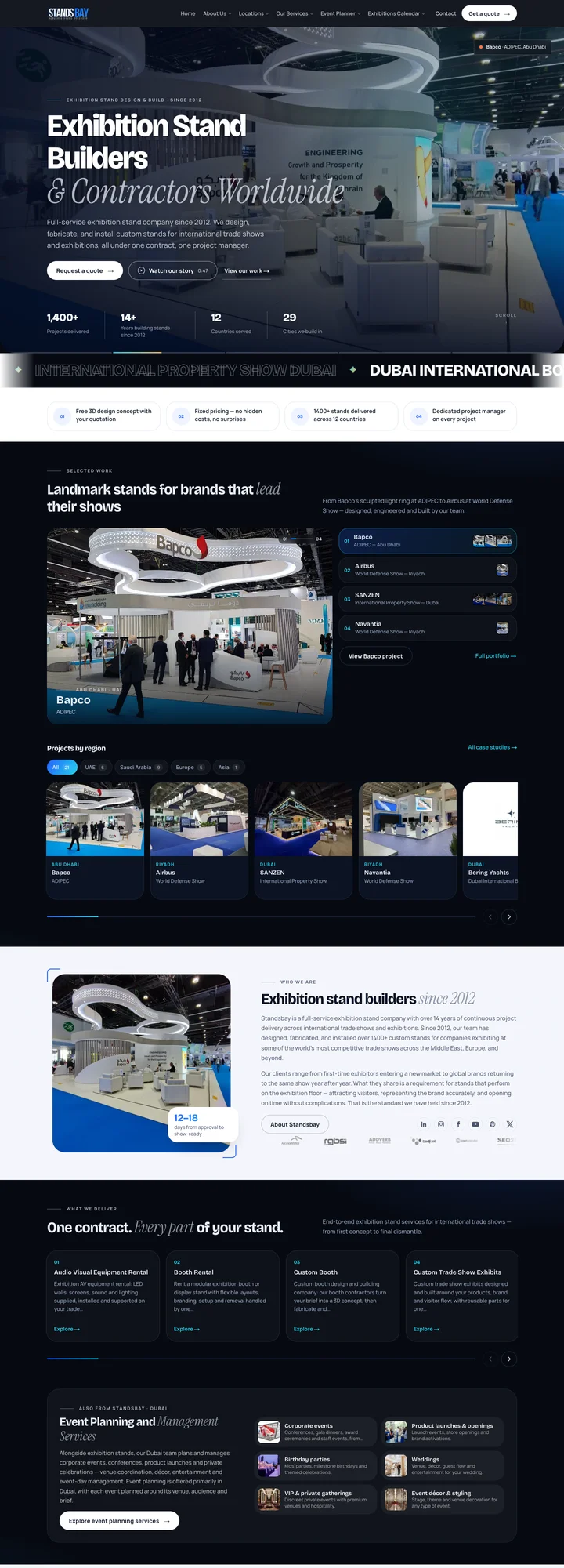
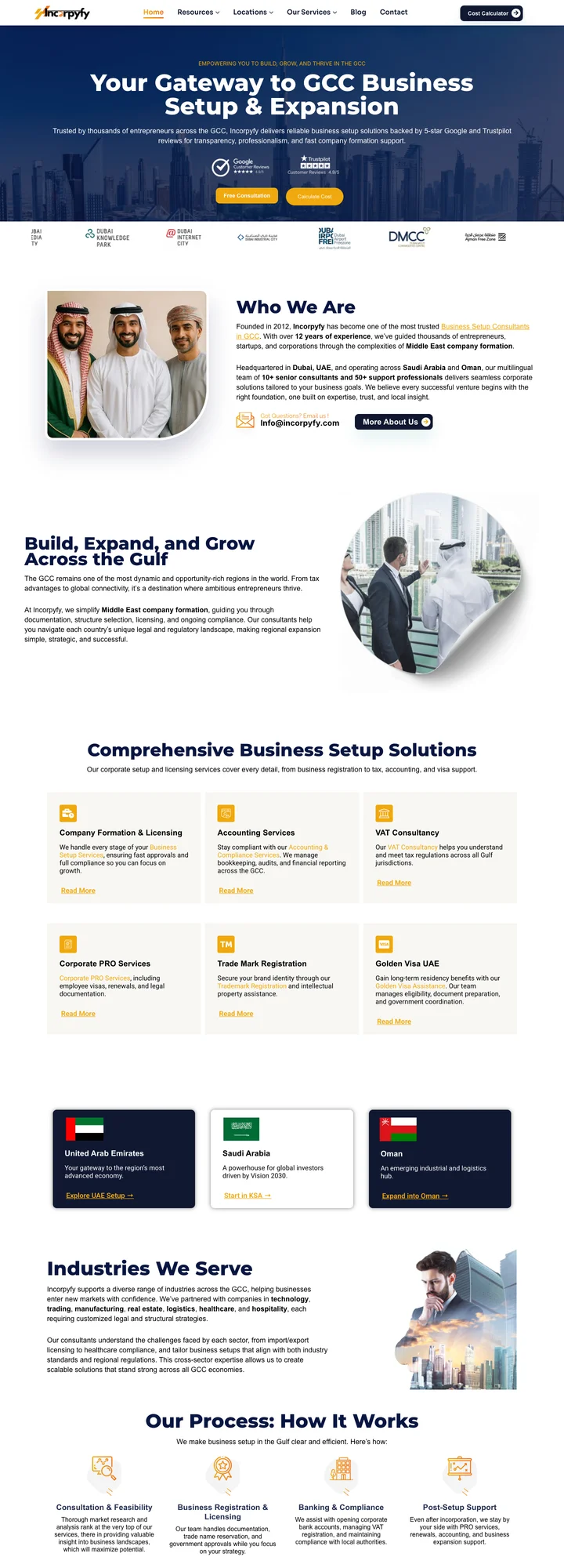
Websites we have built and grown
StandsbayIncorpyfyMagnolia DentistryStandsZoneDIACConfiDental Beverly HillsExproStandsMakeMyCompany OmanGorgeous Smiles DentalMakeMyCompany Bahrain

What you get

  • An honest app-or-website decision before any build
  • Native or cross-platform, chosen for your use case
  • API, back end and admin panel built with the app
  • Push notifications and analytics set up properly
  • Store submission, review and Arabic listings handled
  • Maintenance plans for yearly iOS and Android changes
Photo: Enrique Alarcon / Unsplash

The problem

Why Mobile App Development often disappoints, and what we do instead

Most businesses that come to us have tried this before. These are the three things that usually went wrong.

  • A template site that looks like every competitor's

    A design made around your offer and the way your buyers decide

  • Slow pages that lose visitors on mobile

    Lean builds and compressed images, checked on real phones

  • A launch with no tracking, so nobody knows what works

    Analytics, forms and WhatsApp clicks tracked from day one

Want to know which of these applies to you? The audit shows it.

Get a free audit

What does a mobile app development agency in Dubai do?

A mobile app development agency in Dubai plans, designs, builds and launches apps for iOS and Android, together with the back end, API and admin panel that power them. The work includes choosing native or cross-platform, push notifications, analytics, app store submission and review, and ongoing updates so the app keeps working as phones and store rules change.

Do you need an app, or is a fast website enough?

Settle this before any budget is spent. An app is a separate product to build, publish, update and promote. A website that loads quickly, works on phones and offers WhatsApp covers more business needs than most owners expect. A dental clinic in JLT or a visa-services firm in Bur Dubai rarely gets customers to download an app for one booking. They search, tap and message.

An app makes sense whenA website is enough when
Customers come back weekly or daily, for ordering, loyalty or bookingsCustomers use you once or occasionally
You need push notifications, camera, location, biometrics or offline useA browser can do everything the task needs
Staff need a field tool for inspections or deliveriesStaff can work from a responsive web page
You can promote the app, because installs do not happen on their ownMost customers find you through Google and Maps
The experience is the product, such as a tracking or booking toolThe goal is enquiries, information and trust

If you sit in the right-hand column, a fast website and strong search visibility will do more per dirham. Repeat-order businesses such as restaurants and cafés or hotels are where apps most often pay off. A middle route is a progressive web app, an installable website that can send some notifications. It works well on Android. On iPhone it has limits, because notifications need the app added to the Home Screen first.

Native, cross-platform or progressive web app?

ApproachStrengthsTrade-offs
Native (Swift for iOS, Kotlin for Android)Best performance and polish, first access to new phone featuresTwo codebases, higher cost, two sets of skills to coordinate
Cross-platform (one codebase, for example Flutter or React Native)Faster and cheaper to build and maintain, consistent on both platformsNew phone features can arrive later, and some heavy features need native code
Progressive web appNo app store, and one codebase shared with your websiteLimited device access and a weaker presence on iPhone

For most business apps, cross-platform is the sensible starting point, because bookings, catalogues, loyalty and ordering do not need what native alone provides. Native earns its cost for graphics-heavy apps, augmented reality, heavy background processing or deep links with watches and cars. Decide on the use case, not on fashion.

Would this work for your business? Send us your website and we will tell you what to fix first, free and within one business day.

Get a free audit

What an app is made of: screens, API and back end

The app on your customer’s phone is the visible part. Behind it sit the pieces that decide whether it works at scale.

  • The app: screens, navigation, offline behaviour and device features.
  • An API: the interface through which the app asks for and sends data, ideally shared with your website.
  • A back end and database: accounts, orders, content, business rules and security.
  • An admin panel, so your team manages content, users and orders without a developer.
  • Integrations: payments, maps, CRM, loyalty and messaging.

If your website already runs on WordPress, WooCommerce or Magento, the app can often reuse its API and data, which saves build time and keeps one source of truth. For stores, see our e-commerce page. A plain brochure site has nothing to reuse, so the back end is a bigger share of the work than most quotes suggest.

Scoping version one and designing for Arabic

Start with a first release that does one job well. The usual failure is a long feature list, a long build and an app that launches late and is judged on features nobody asked for. We scope the smallest release that proves the idea, then add features based on what users actually do.

  • Prototype before code. Clickable prototypes of the core journeys are tested with real users, using the method from our UI/UX design work.
  • Arabic from the start. Both platforms support right-to-left layouts, but icons, images, numbers and text lengths need design attention, and so do the store listings.
  • Accessibility. Large text and screen readers (VoiceOver and TalkBack) are planned into the design, not patched on later.
  • Platform conventions. The app should feel native on each phone, with navigation, back gestures and permission prompts that follow iOS and Android rules.

Push notifications, analytics and attribution

Notifications are a main reason businesses want an app, and the fastest way to get users to switch them off. iPhone and recent Android versions both ask the user for permission before anything can be sent, so how you ask matters.

  • Ask at the right moment, after the user has seen value, not on first launch.
  • Segment and limit. Order updates and booking reminders are welcome. Weekly promotions to everyone are not.
  • Measure what matters: installs by source, onboarding completion, key actions, retention and crash-free sessions, with crash reporting on from the first build.

Install campaigns on Google and Meta can be planned with our online advertising team once tracking works. Lifecycle messages beyond push, such as receipts and win-back offers, often sit better in email marketing.

Prefer to talk it through? Message or call us and a person replies within one business day.

WhatsApp us +971 52 659 6950

App Store and Google Play: accounts, review and launch

Getting into the stores is a process with rules, and a rejection costs days. We plan for it.

  • Developer accounts in your company’s name, not ours or a freelancer’s, so you own the listing. Business verification takes time, so start early.
  • Privacy details. Both stores ask you to declare what data the app collects, and the app needs a privacy policy.
  • Account deletion. If users can create an account in the app, they must be able to delete it there too.
  • Payments. Digital goods and subscriptions sold in the app generally must use the store’s billing. Physical goods and services, such as deliveries and bookings, can use other methods, including Apple Pay and cards.
  • Reviewer access. A demo login and notes help, because a reviewer who cannot get past your login rejects the app.
  • Listings in English and Arabic, and a staged rollout that releases to a small share of users first.

Store policies change, so we check current rules at submission.

Maintenance: an app is never finished at launch

Apple and Google release new operating system versions every year, and both raise the minimum requirements for apps that want to stay listed and keep updating. A new screen size, a changed permission rule or an outdated library can break an unmaintained app.

What ongoing maintenance covers

  • Compatibility testing and updates for each new iOS and Android release
  • Dependency and security updates for the app and the back end
  • Crash and error monitoring, with fixes released quickly
  • Server hosting, backups and monitoring for the back end
  • Small improvements driven by user feedback and analytics

Plan for it from the start as a continuing cost on top of the build. We can run it on a monthly plan, or hand over documentation so your own team can.

What drives the cost, and why ZON

App cost follows the platforms (one or two, native or cross-platform), the number and complexity of screens, the back end and admin panel, integrations, design depth, languages, device testing and maintenance after launch. A booking app with an admin panel is a very different build from a marketplace with payments and chat. After a free audit we propose a first release and a clear list of what comes later.

Our developers, designers, copywriters and data analysts work together in Bur Dubai, so the app, the website, the store listing and the campaigns that promote it come from one plan. We would rather tell you your website is enough than build an app that nobody opens.
What you receive

What our Mobile App Development work includes

Every engagement ends in concrete work product, not a vague promise of “optimisation”.

App-or-website recommendation

A written view on whether an app is justified, with a first-release scope.

Clickable prototype

Core journeys you can try on your phone, in English and Arabic.

iOS and Android apps

Built native or cross-platform, as chosen for your case.

API and back end

Accounts, data, business rules and security, with documentation.

Admin panel

A web dashboard for your team to manage content, users and orders.

Push notifications

Permission flow, segments and message templates.

Analytics and crash reporting

Events for installs, onboarding, key actions and errors.

Store submission

Listings in English and Arabic, privacy details and review handling, on your developer accounts.

Maintenance plan

Optional updates for new OS versions, fixes and monitoring.

Want to see this for your business?

Send us your website and we will show you which of these to do first.

Get a free audit

How it works

How a Mobile App Development project runs

A clear sequence, so you always know what is happening, what we need from you and what comes next.

  1. Decide: app or website

    We review how customers reach you, how often they return and what an app would do that a site cannot, then agree whether to build and what the first release holds.

  2. Design and prototype

    User flows and clickable prototypes in English and Arabic, tested with real users before development starts.

  3. Build the app and back end

    App, API, admin panel and integrations built in short cycles, with test builds you can install on your own phone.

  4. Test and submit

    Testing on real iOS and Android devices, then submission to the App Store and Google Play, including any review feedback.

  5. Launch, measure and maintain

    A staged release, analytics and crash reporting from day one, then scheduled updates for new OS versions and fixes.

Why ZON

One team, one plan, one report

Most businesses end up with a different supplier for each channel. Here is how one team differs, and a quick way to see what a single extra customer is worth to you.

How ZON compares with the usual set-up

ZON compared with the usual agency set-up
TopicOften elsewhereWith ZON
TeamSeparate suppliers for the website, search, social and adsOne in-house team of developers, designers, writers and analysts
PlanningEach channel planned on its ownWebsite, search, social and paid media planned together
First stepA sales pitch and a quoteA free audit of your channels, with what to fix first
ReportingA report of impressions and clicksA plain-English report on traffic and enquiries
RepliesOften no stated reply timeA reply within one business day, on WhatsApp or by phone

What is one more customer a month worth?

Set the two numbers. It is plain multiplication, so you can weigh the figure against what you spend on marketing.

5
2,000
AED 10,000 a monthAED 120,000 over twelve months

Simple arithmetic on the numbers you set. It is not a forecast, an estimate or a promise of results.

Ready to see what this looks like for you?

Get a free audit

FAQ

Mobile App Development questions, answered

Short, honest answers to what people ask before they hire us.

How much does it cost to build a mobile app in Dubai?

The cost follows the platforms, the number and complexity of screens, whether you need a back end and admin panel, integrations, design depth, languages and testing. A simple booking app and a marketplace with payments and chat are very different builds. We scope a first release in writing after the free audit.

How long does mobile app development take?

A focused first release usually takes a few months from design to store launch. Complex back ends, many integrations and two languages add time. Clear scope and quick feedback shorten it, and store review adds days at the end, so avoid fixing a marketing date until the app is approved.

Should I build for iOS, Android or both?

Check which devices your website visitors and customers already use. If you must start with one, choose the platform most of them use, then add the other. With a cross-platform build, covering both costs far less than two native apps, so building for both is often the sensible choice.

How long does App Store review take?

Apple often reviews quickly, in a day or two, but rejections for guideline issues, a missing demo login or incomplete privacy details can add days. Google Play review is similar and can take longer for new accounts. We plan a buffer into the launch date and prepare reviewer access in advance.

Who owns the app and the source code?

You should. The developer accounts, the store listing and the code belong in your company’s name, and the contract should say so. Ask for the repository and build instructions at handover, and check third-party licences. If an agency holds your accounts, you cannot move to another team without its permission.

Do I need a back end, or can the app work without one?

A few apps, such as calculators, work without one. Any app with accounts, bookings, orders, content you update or notifications needs a back end and API. Your website platform can sometimes supply it. We settle this at scoping, because the back end is often the larger share of the work.

Do UAE apps have to follow data protection rules?

If the app collects personal data, the UAE Personal Data Protection Law (PDPL) applies, alongside each store’s privacy requirements. That means a clear privacy notice, a lawful basis such as consent, secure storage and a way for users to delete their data. Confirm specifics with your legal adviser.

Can you improve or take over an existing app?

Yes. We start with an audit of code quality, crash reports, store ratings, policy issues, compatibility with current iOS and Android versions and the back end. Then we recommend fixing, refactoring or rebuilding. Apps that have lost their developer often need documentation and access sorted out first.

Do I still need a website if I have an app?

Yes. People find businesses through Google and Maps first, and the app stores do not replace that. Your website explains what you do, ranks for searches and sends people to the right store. A website and an app work best as one plan, not two separate projects.

Free audit

Check if you need an app first

Start with a free audit. We will review how customers reach you today, tell you honestly whether an app would help, and outline a first release with expected investment and KPIs.

  • We review your website, search presence and ads
  • You get a short list of what to fix first
  • No obligation, and a reply within one business day

Request your free audit

WhatsApp us

Free audit. No obligation. We reply within one business day.

Get your free marketing audit

We review your channels, show what is working and what is not, and outline how we would scale it, with a forecast of results and KPIs.

WhatsApp us

Free audit. No obligation. We reply within one business day.

Esc

↑ ↓ to moveEnter to openCtrl/⌘ K anytime